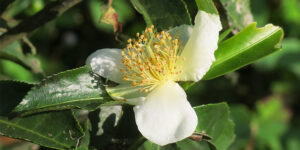


Tea is an evergreen plant of the Camellia family and is known as Camellia
Sinensis. It was first discovered 5000 years ago in China, hence sinensis, but
in reality, is indigenous to both China and India. Tea varies in characteristics
and flavor according to the type of soil, the altitude and the climatic
condition of the area where it grows.
The story of Darjeeling tea started some 150 years ago when Dr.Campbell (civil
surgeon), as an experiment planted tea seeds in his garden at
Beechwood, Darjeeling, 7000ft above sea
level. He was reasonably successful in raising the plant, so the government, in
1847, elected to put out tea nurseries in this area.
According to records, the first commercial tea gardens planted out by the
British interests were Tukvar, Steinthal and Aloobari
tea estates. This was 1852 and all the tea estates used seeds that were
raised in government nurseries. Darjeeling was then a sparsely populated hamlet
that was being used as a hill resort by the army and the affluent people. Tea,
being a labour intensive enterprise, required sufficient number of people to
plant,tend,pluck and finally manufacture their produce.For this employment was
offered to the local people of Darjeeling and people across the border of Nepal.
Its appears that in 1866, Darjeeling had 39 gardens producing a total crop of
21000 kilograms of tea. In 1870,the number of gardens increased to 56,
producing about 71000 kilograms of tea harvested from 4400 hectres. During
1860-1864, the Darjeeling company was established with 4 new gardens. By this
time Darjeeling tea was found to be a profitable venture. Today, Darjeeling
produce the world`s best aromatic teas. Presently Darjeeling has 86 tea
gardens which produces about 10 million kgs of tea annually. Tea is grown
in Darjeeling from a height of 100 mts.(300ft) to 2000mts(6000ft).
Some 6000 shoots of tea leaves and a bud from these bushes make about ½
kg,whereas light leaf Assam can produce the same quantity with about 3000
shoots(all Darjeeling teas are hand plucked).
Now days almost 70% of the gardens have also started producing Organic teas,
which means no chemical fertilizers have been used during the produce of the
particular variety of tea and the teas are further strictly checked and gets
certified as “organic tea” by world renouned institutes like IMO(Switzerland),
Demeter`s certification(Germany), India Organics, USDA etc.
In Darjeeling 4 major crops are harvested over the year, and the same tea
bush gives 4 different character of tea over the harvest seasons.
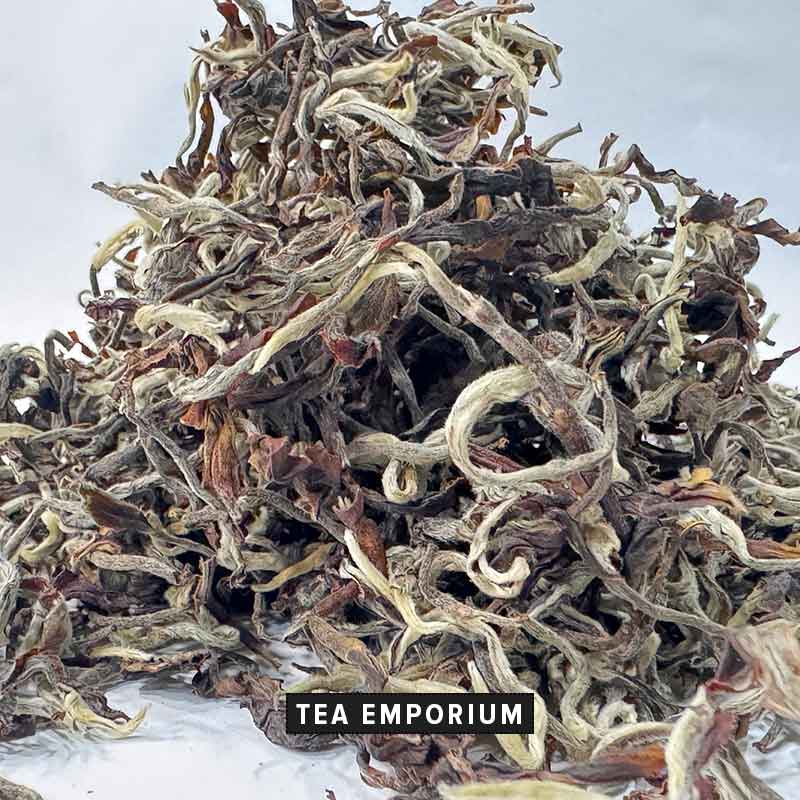
The First crop is known as the 1st Flush which is
produced from the 1st week of March to the 1st week of May.
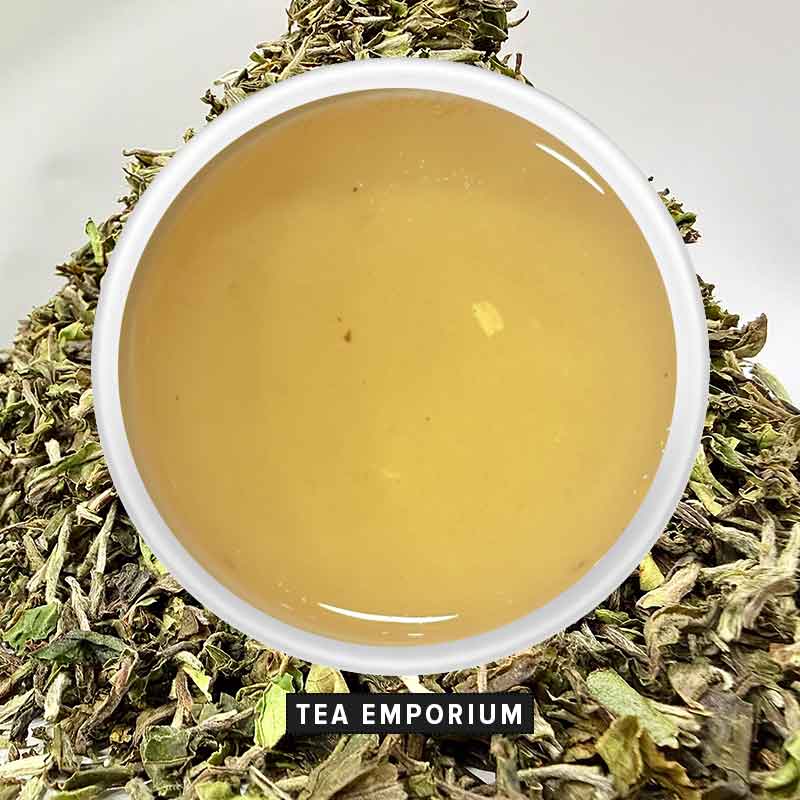
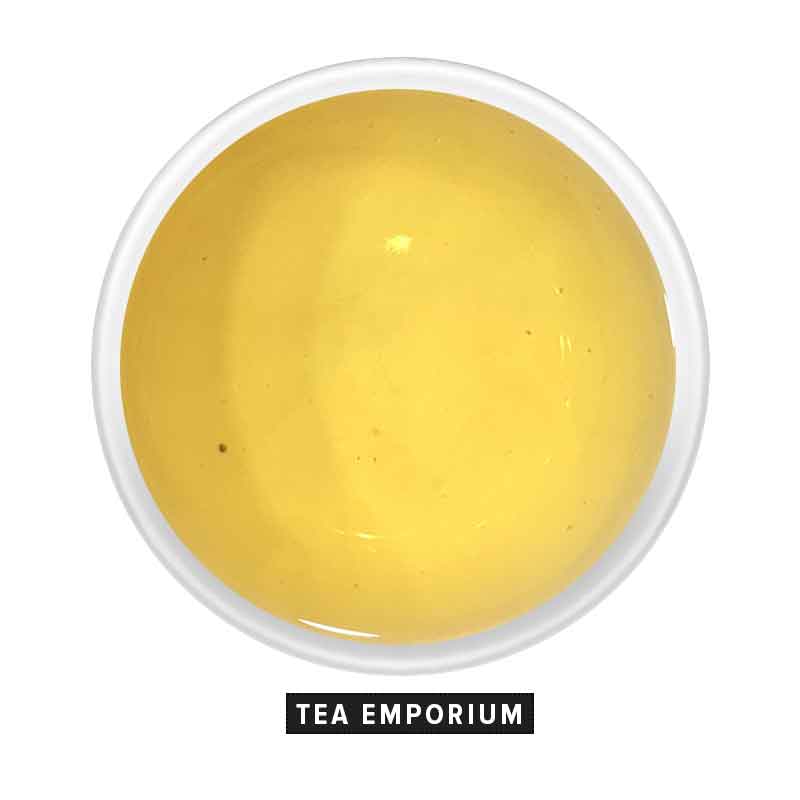
The appearance of the tea is greenish and is the most mild liquor and floral
aroma.
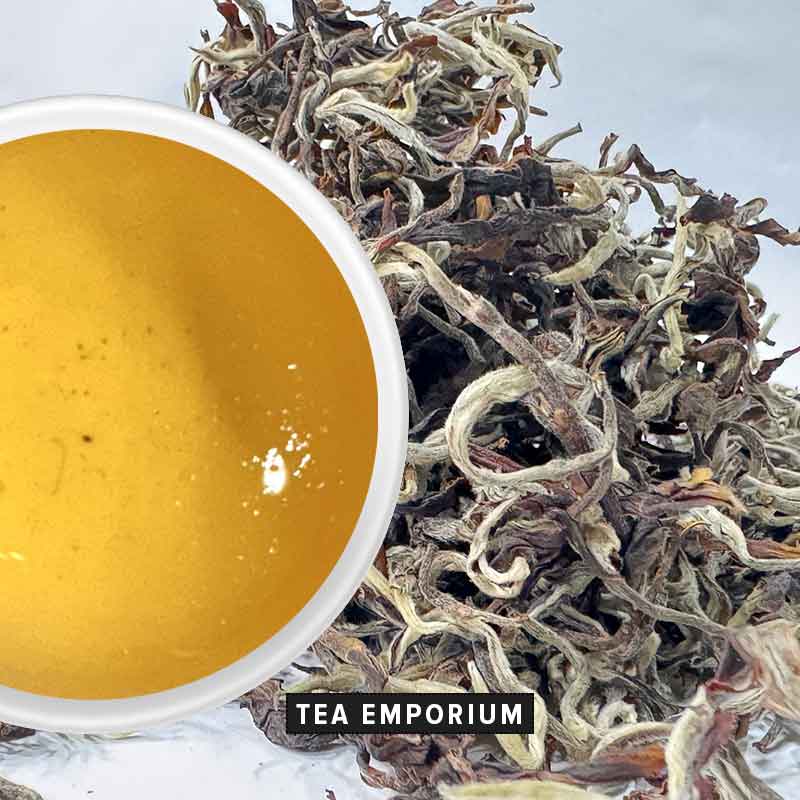
The second crop is known as the 2nd Flush
which is a bit matured than the 1st crop in terms of aroma and liquor, the world
renowned muscatel flavor is pronounced during this particular season. This crop
is harvested from the end of 3rd week of May to the 3rd week of June. The third
crop is known as the Rains crop(July-September 2nd week), during this season the
crop produce is in bulk due to over rainfall but the aroma is not very exclusive
due to insufficient sunshine. So the brew is very dark with a dull character.
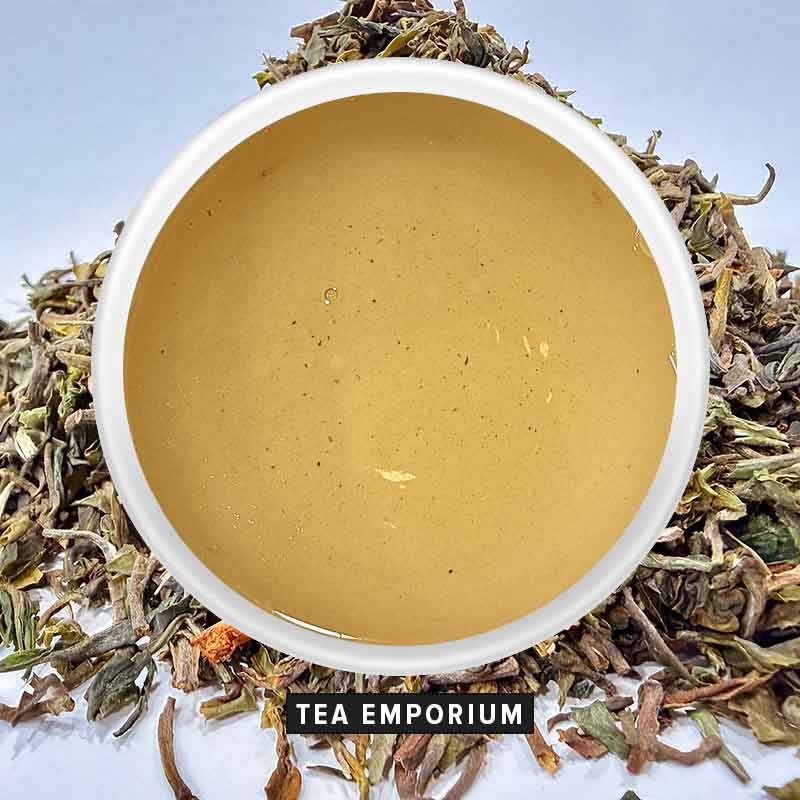
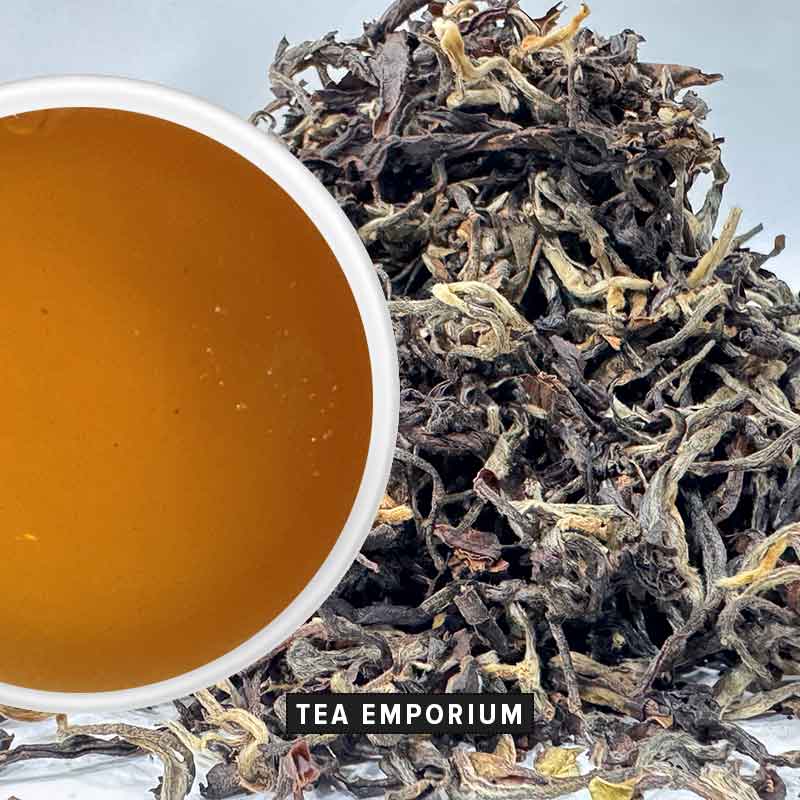
The last and the final crop is the Autumnal Flush
which is harvested from the last week of September to the 2nd week of November.
This harvest gives the strongest liquor as it passes through the summer and the
monsoon and due to the sunshine of Autumn again after the long monsoon season
this tea has a very unique aroma.